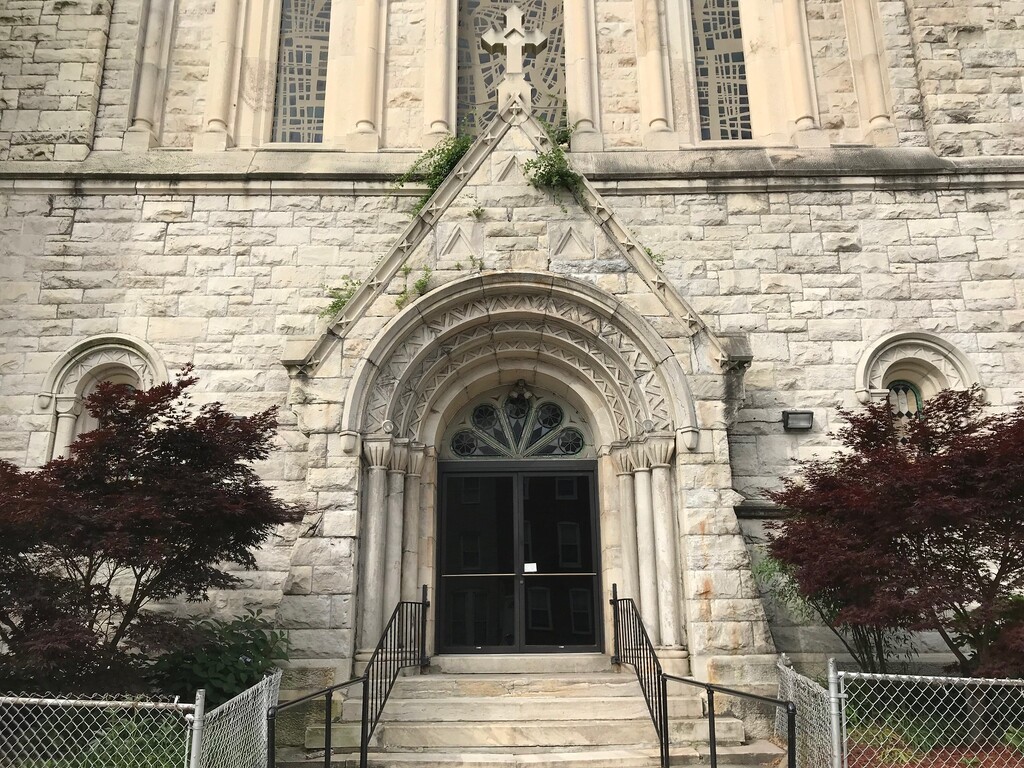
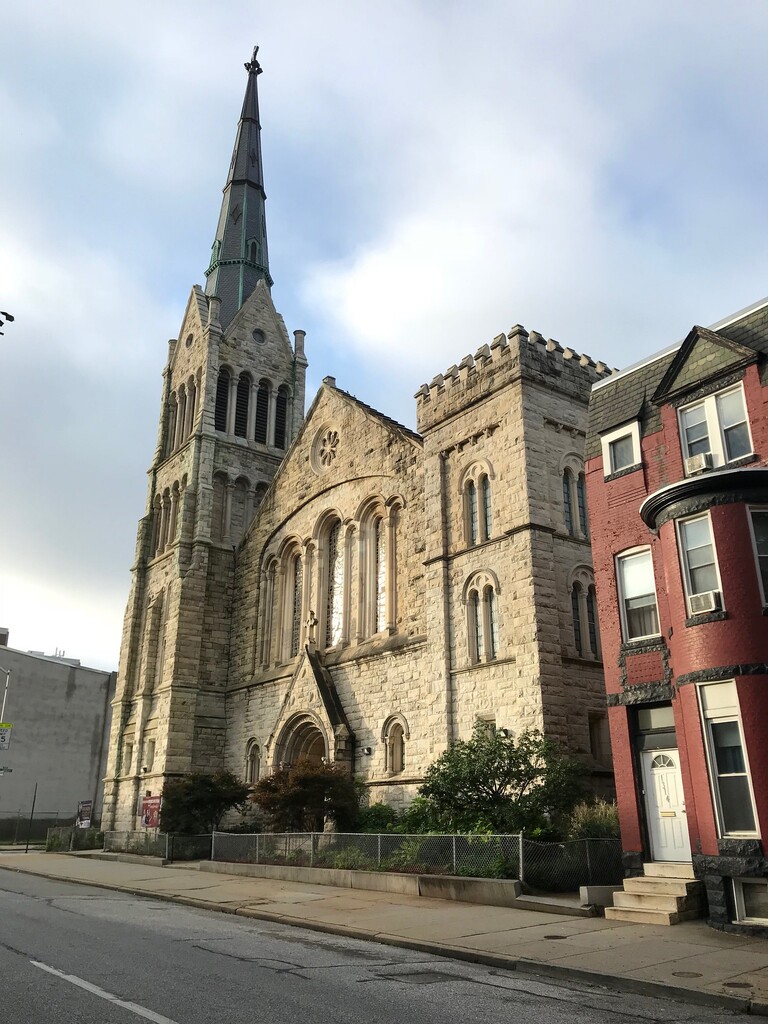
Bethel African Methodist Episcopal Church
Text
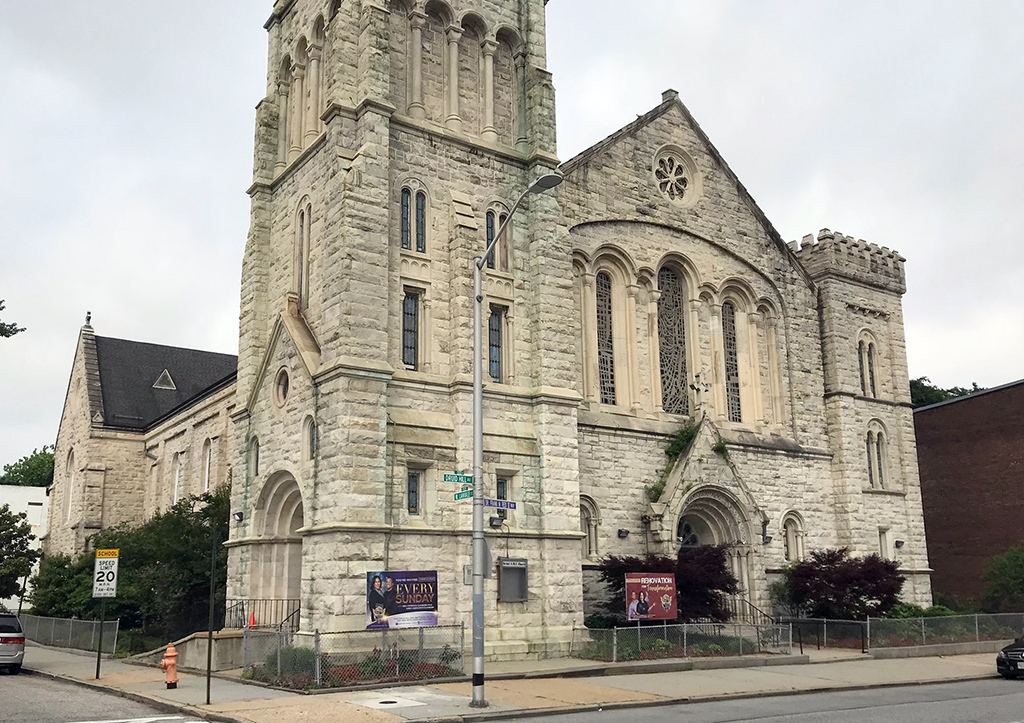
Bethel African Methodist Episcopal Church is Maryland’s mother church of the AME Church. It is one of the foundational churches in the AME Connection. After meeting on Saratoga Street for almost 100 years, Bethel AME moved to 1300 Druid Hill Avenue in 1911.
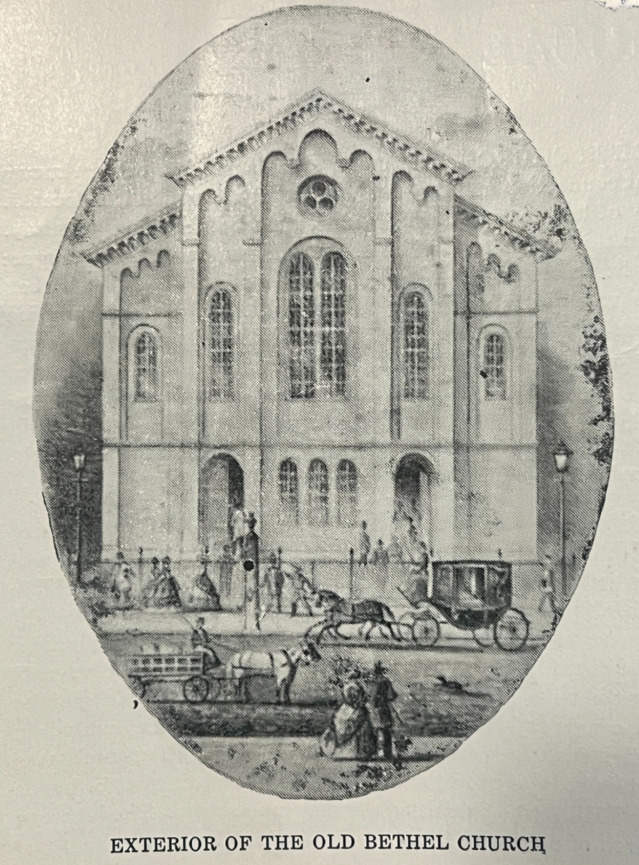
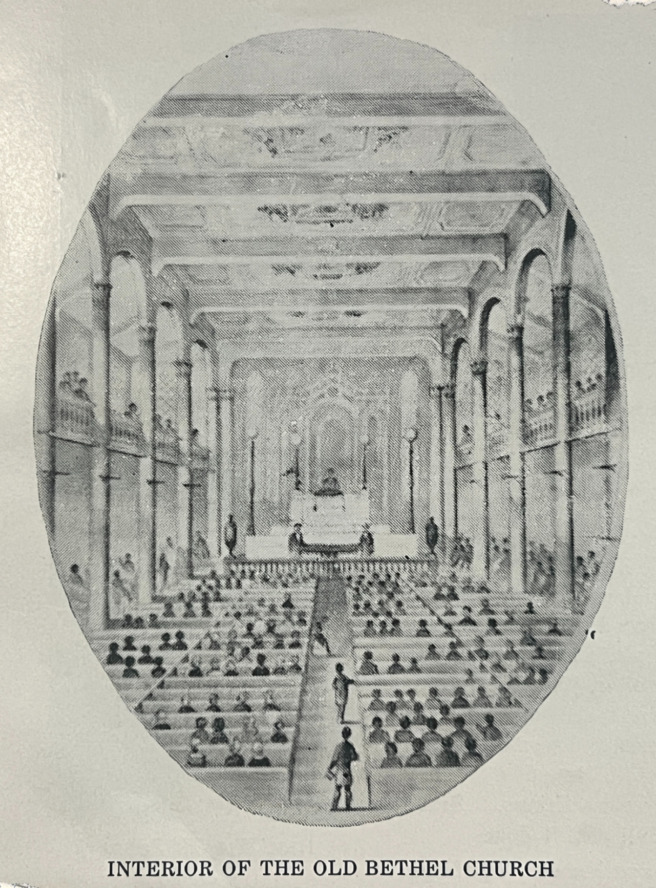
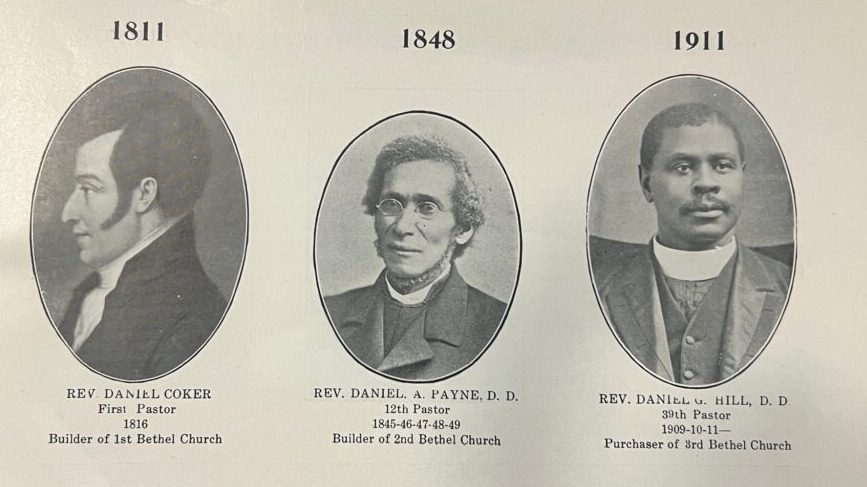
In April 1815, preachers Daniel Coker, Henry Harden, and Richard Williams led about two hundred members of the Lovely Lane and Strawberry Alley Meeting Houses and the African Church on Sharp Street to separate from the Methodist Episcopal Church. Calling themselves “The African Methodist Bethel Society,” the group arranged to occupy the former German Lutheran Church on Fish Street (now Saratoga), and created a rent-to-own agreement with its owner. The brick church was built in 1762 and enlarged in 1785. It had three stories in front and two in the rear, with a pulpit, pews and galleries inside. Bethel Church was founded there on April 23 or June 3, 1815. The African Bethel School operated in the church basement to educate Black children. The school hosted exhibitions to celebrate Bethel’s milestones, such as its founding anniversary, and demonstrate its students’ talents.
Coker and the church trustees registered incorporation papers for the “African Methodist Bethel Church or Society in the City of Baltimore” at the Baltimore court house on April 8, 1816. The next day, six delegates traveled from Baltimore to Philadelphia. The assembled delegations established the African Methodist Episcopal Church and ordained Richard Allen to be its first bishop.
Bethel became the owner of its church building on March 7, 1838. The building, however, required work. The church and its land flooded when Jones Falls did – hence “Fish Street” – which caused damage and inconvenience. A flood in June 1838 destroyed Bethel’s school library, which held a thousand books. In addition, the congregation outgrew the building by the early 1840s. Construction on a new church began in August 1847. The Romanesque style church was consecrated on July 9, 1848.
In 1909, the Baltimore City Council condemned the church in order to widen Saratoga Street. The Bethel congregation had to find a new home and purchased the church formerly used by St. Peter’s Protestant Episcopal Church at Druid Hill Avenue and Lanvale Street. Built in 1868, the church was in the middle of thriving West Baltimore. The move placed Bethel closer to its congregants – half of the city’s Black population lived in the neighborhood by 1904 – and among two other relocated Black churches, Sharp Street Memorial and Union Baptist. The opening services took place on January 8, 1911.
Over its history, Bethel has led action to address causes affecting Black Baltimoreans through mutual support, education, benevolent societies, and organizing. Bethel’s members assisted people escaping slavery, an effort that took place within a larger network of African Methodists. During the Civil War, Bethel hosted special lectures for the US Colored Troops and held fundraisers to support soldiers and their families. At the start of World War I, the congregation expanded to 1,500 members as a result of Black migration from rural areas into the city. Members were active in the Civil Rights Movement and other political causes, including the denouncement of the Vietnam War. In the 1970s, church members established a women’s counseling center and supported Black liberation in South Africa. Contemporary lay ministries using Bethel Church as a base have addressed the needs of women, the homeless, senior citizens, pregnant teenagers, and drug and alcohol addicts.
Today, Bethel A.M.E remains a bastion in Baltimore’s African American community dedicated to community enrichment and spiritual guidance.