Pimlico Race Course: Home of The Preakness
Text
Alfred G. Vanderbilt once said of Pimlico that it is “more than a dirt track bounded by four streets. It is an accepted American institution, devoted to the best interests of a great sport, graced by time, respected for its honorable past.”
Opened in 1870, Pimlico Racetrack is also Baltimore through and through. Engineered by General John Ellicott for the Maryland Jockey Club, the track was built after Governor Oden Bowie out-bid the rival Saratoga, New York racing club to host a special race by pledging to build a model track in Baltimore.
The track has been going strong ever since, even surviving an anti-gambling movement in 1910 when Congress carved out Maryland and Kentucky from a national prohibition on horse racing.
Although a devastating fire destroyed the old clubhouse in 1966, the seven furlong track, stables for a thousand horses, and even the new grandstands at Pimlico today still hold loads of Baltimore history and stories.
Files
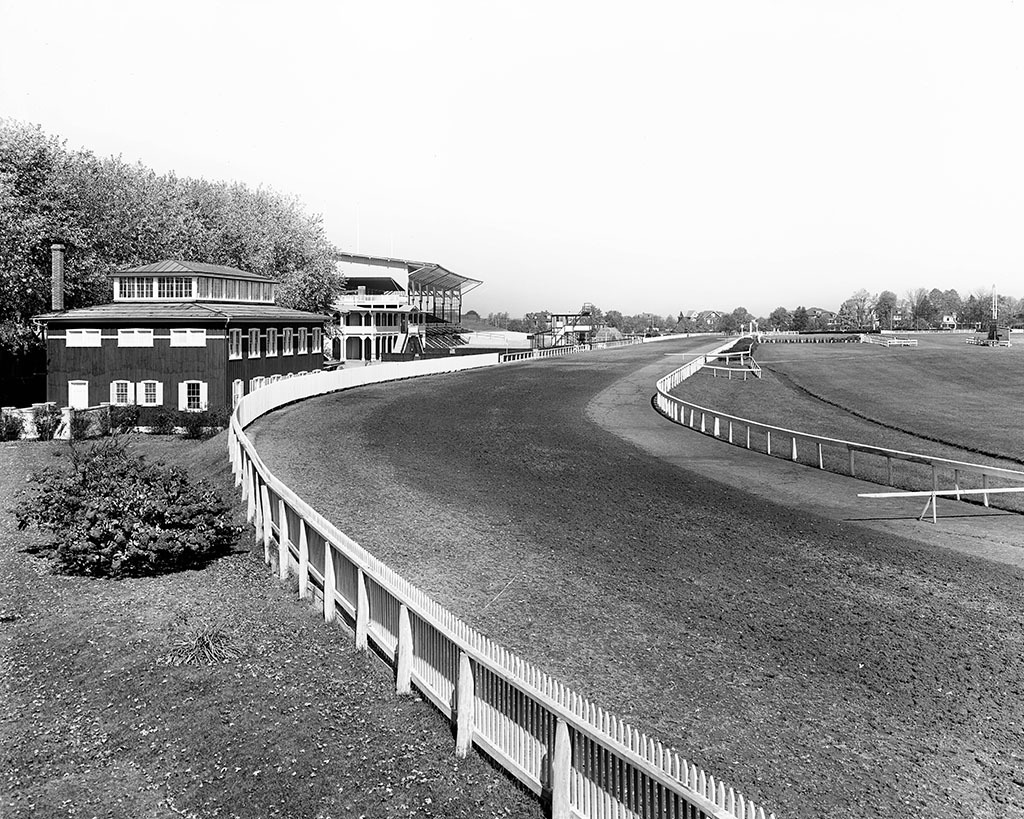
Pimlico Racetrack
The Pimlico Racetrack and stands looking north towards Rogers Avenue. | Source: University of Maryland, Baltimore County, Photography Collections | Date: c. 1905-1940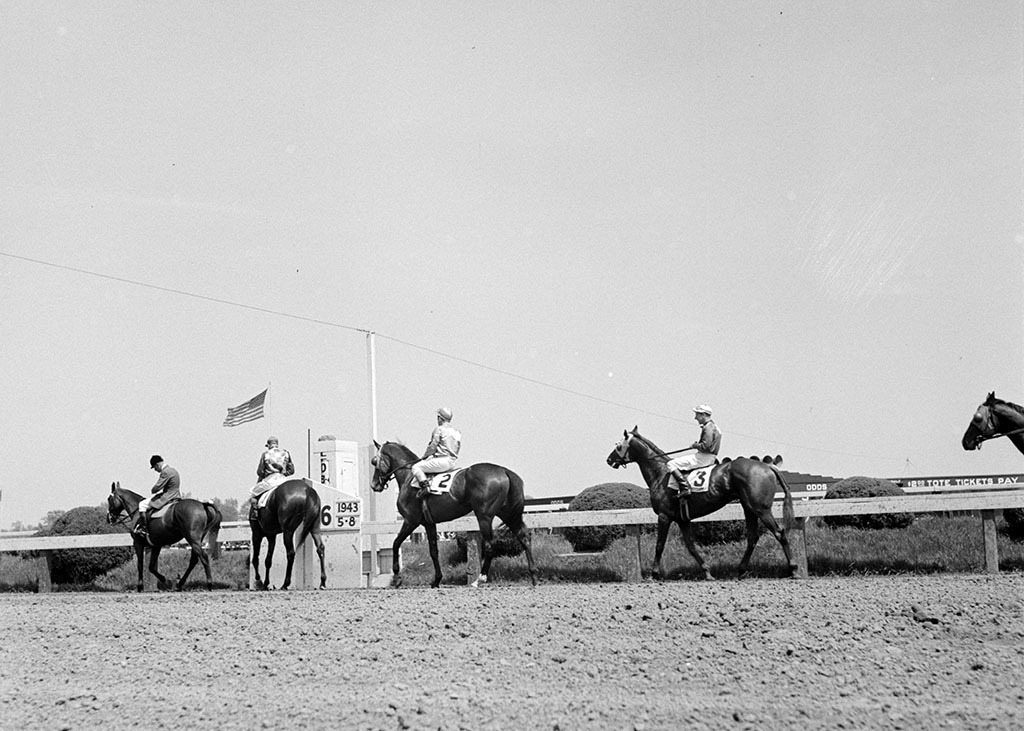
Pimlico Racetrack
Horses and jockeys parading to the post at the Pimlico Racetrack. | Source: Library of Congress | Date: 1943 May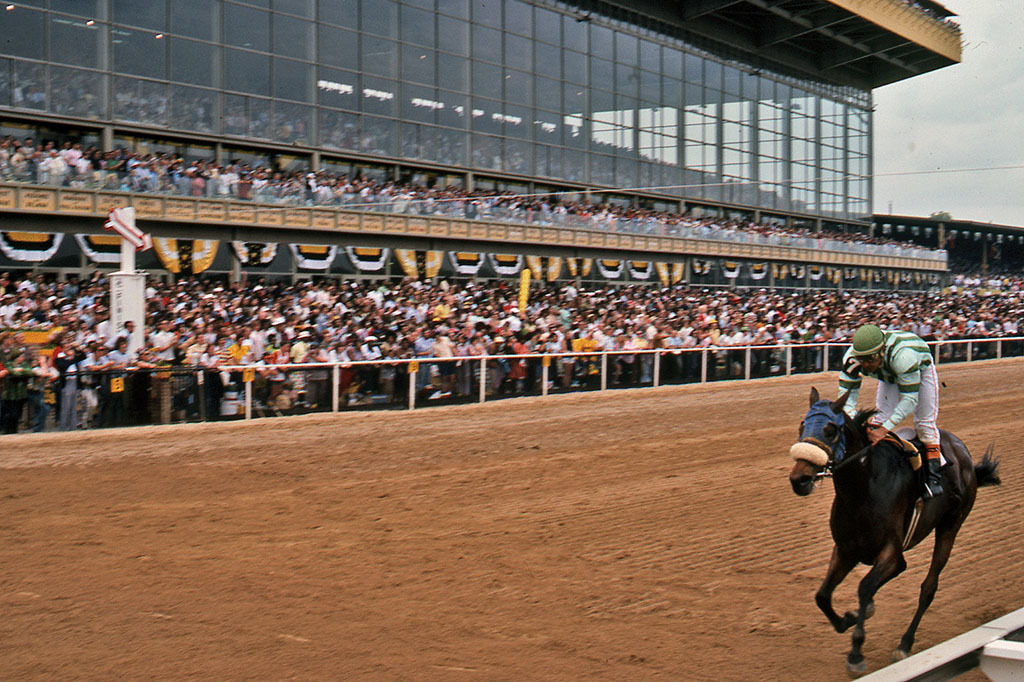
Horse and jockey, Pimlico
Horse and jockey, possibly Angel Cordero, riding past the stands at Pimlico. | Source: UMass Amherst Credo | Date: 1976 May
Preakness and Dick Wooley (Part 1)
Dick Wooley served as the race caller for the Preakness from 1977 up until 1981. | Source: Mid-Atlantic Regional Moving Image Archive (MARMIA) | Date: 1985 May 17