Juanita Jackson and Clarence Mitchell, Jr. House
Text
Few often realize that much of the civil rights successes in Maryland and nationally were started by a couple that lived here at 1324 Druid Hill Avenue--Juanita Jackson Mitchell and Clarence Mitchell. The couple served a vital role in the civil rights movement on a local, state, and national level.
Juanita Jackson Mitchell grew up just a few blocks away in what is now the Lillie Carroll Jackson Civil Rights Museum, named for her mother who served a paramount role in Baltimore’s civil rights movement, especially in the 1930s and 1940s.
Lillie Carroll Jackson encouraged her daughter to get a strong education. She attended Morgan State University and then transferred to the University of Pennsylvania. When she returned to Baltimore, she learned of a recent lynching of George Armwood, a Black man on Maryland’s Eastern Shore, and felt compelled to activate other young people in the city.
By the age of 18 in 1931, Juanita formed a civil rights group called the Baltimore Young People’s Forum. The group took on what was then considered radical techniques by many of picketing, boycotts, and sit-ins to protest job discrimination for Black residents in Baltimore. This included leading a “Don’t Buy Where You Can’t Work” campaign and regular mass meetings with famous civil rights leaders of the time first at the nearby Sharp Street Memorial Church and then at Bethel A.M.E.
While in the Young People’s Forum, Juanita met another young person passionate about creating change, Clarence Mitchell. Mitchell had been a reporter for the Baltimore Afro-American newspaper and covered the same lynching that drove Juanita to take action, as well as the trial of the Scottsboro boys, a group of nine young Black men falsely accused of raping a white woman. Mitchell joined the forum, serving as Juanita’s vice president.
In 1935, Juanita delivered a “fiery speech” to the NAACP national convention calling for a greater focus on youth participation. The national leaders were impressed by her speech and her success with the forum and recruited her to be the first youth leader in the NAACP. She traveled across the country to support and encourage youth council and college chapters of the NAACP, helping them to focus on direct-action techniques to challenge local discrimination, organizing for anti-lynching legal protections in Congress, and securing equal educational and employment opportunities. She herself was a proponent of Black history, compiling a bibliography of sources on African American history and culture and encouraging youth councils to reach out to their libraries and request more books by African American history be purchased.
At the end of her time with the national NAACP, Juanita married Clarence Mitchell and later had four sons.
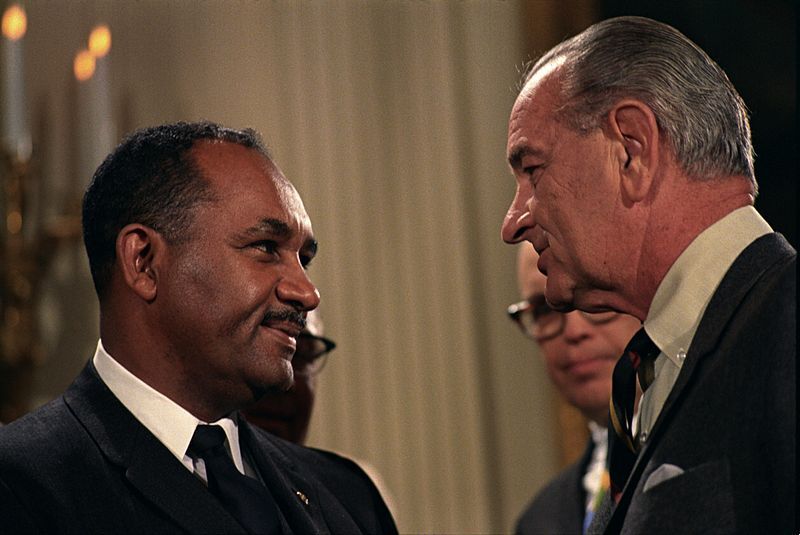
Clarence, also worked to advance civil rights, especially as he began working as a lobbyist for the NAACP. He was a crucial advocate for national civil rights protections, often meeting with high-up Congressional and Presidential leadership to educate them on the need for stronger Civil Rights protections. He testified in front of Congress over 100 times (Juanita also testified often to Congress, including in support of an anti-lynching bill.) He is often cited as being a major proponent of civil rights protections including the 1964 Civil Rights Act, banning the segregation of public accommodations, and the Fair Housing Act.
Juanita stayed in this home after her husband Clarence Mitchell passed away in 1984, and remained until her own death at the age of 79 in 1992.
Watch our Five Minute Histories video for more on Juanita Jackson Mitchell!
Files
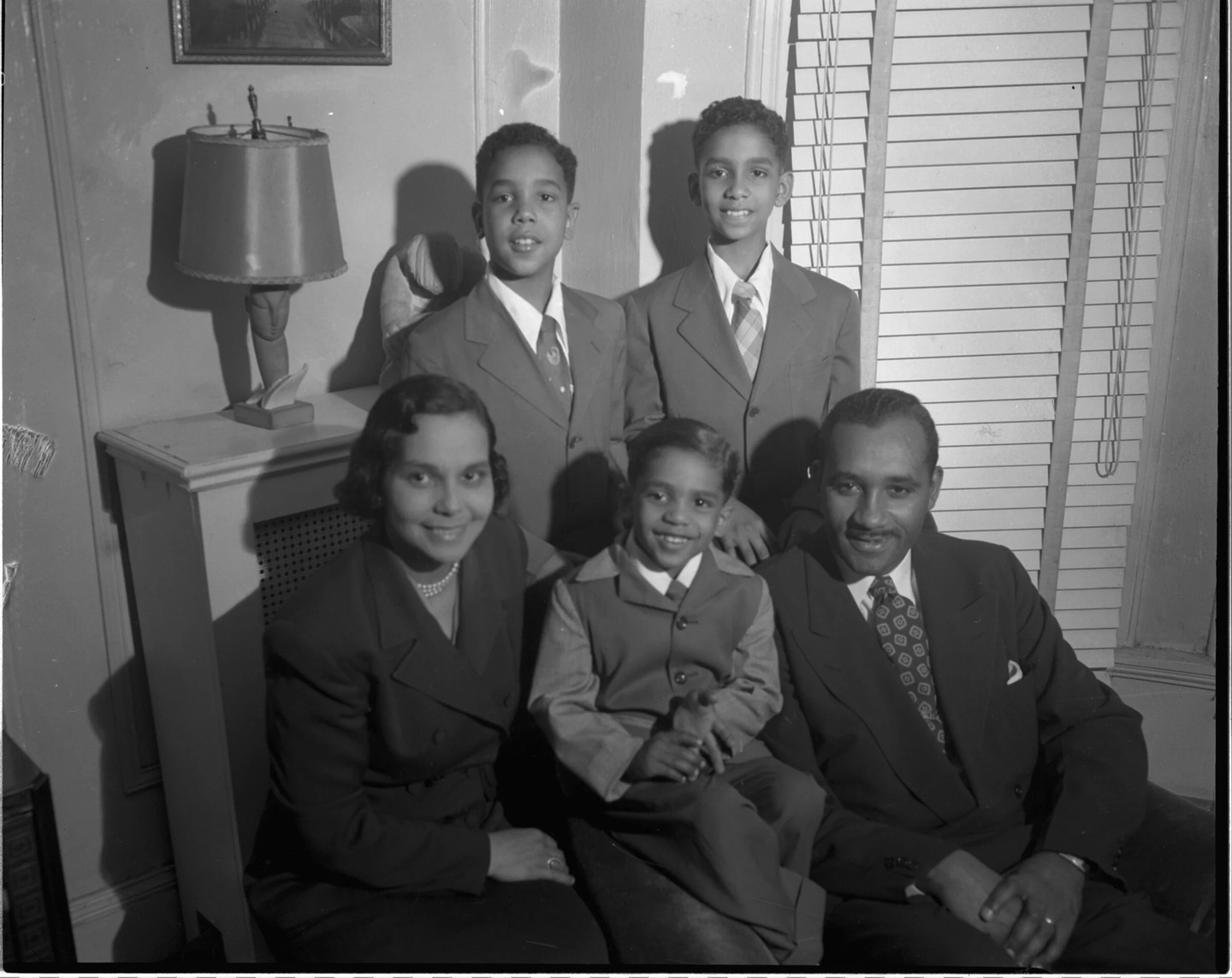
The Mitchell family
Source: Maryland Center for History and Culture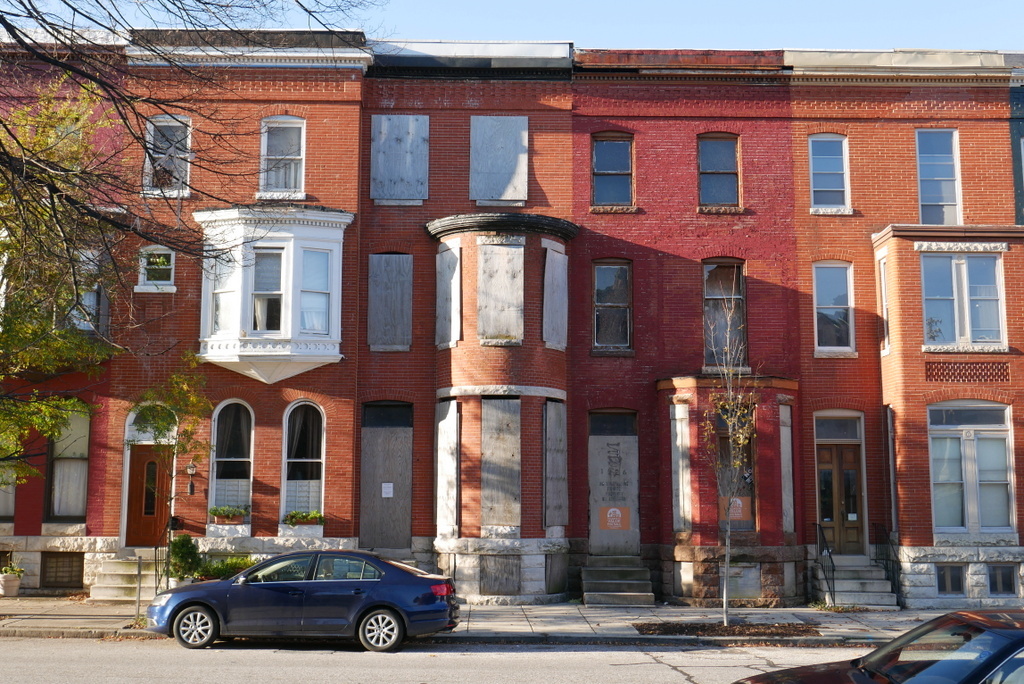
Juanita Jackson and Clarence Mitchell House (2015)
Source: Baltimore Heritage | Date: November 13, 2015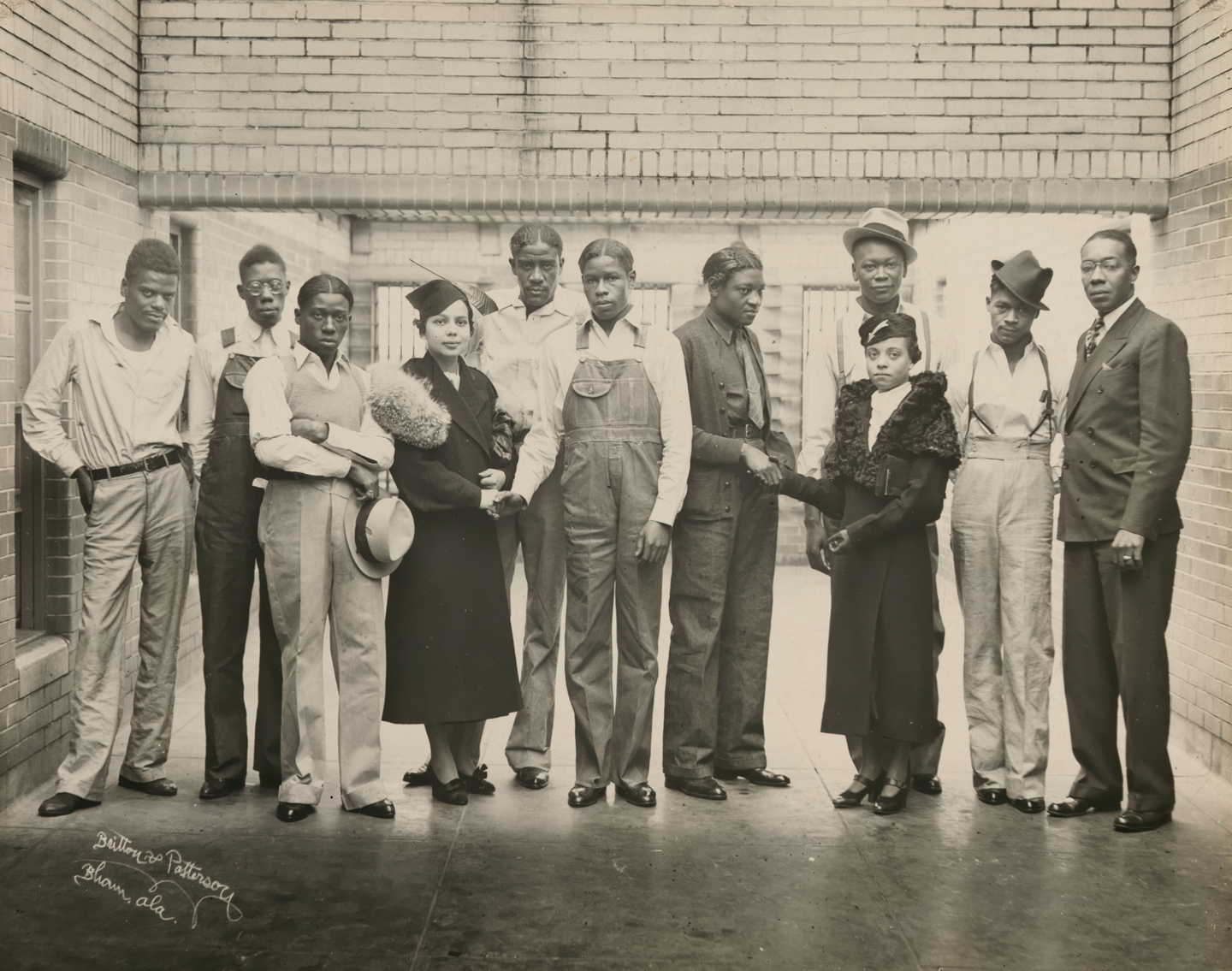
Mitchell with the Scottsboro boys
Source: National Portrait Gallery